Why We Care
Large-Scale Outdoor Shooting Range
Preserve Piney Mountain was formed in response to land use decisions that raise serious concerns about public health, environmental protection, agricultural sustainability, and community compatibility. Our concerns are not rooted in opposition to public service or progress, but in the belief that certain uses are incompatible with residential and agricultural communities and pose long-term risks that cannot be adequately mitigated.
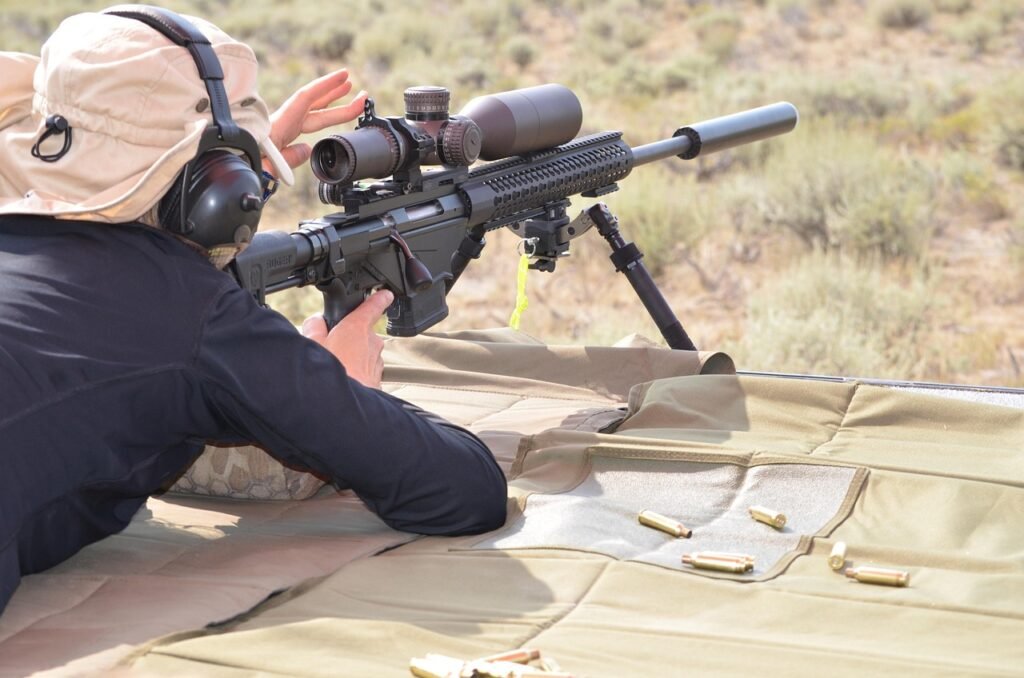
The proposed large-scale, outdoor gun range at Piney Mountain, which includes military and police training, and multi-day competitions, presents a combination of impacts that warrant careful public review and reconsideration.

Incompatible Land Use
Piney Mountain is a residential and agricultural community characterized by working farms, private homes, and a rural way of life. The intensity and nature of a large-scale, outdoor gun range—particularly one involving high-caliber firearms and competitive training—introduces industrial-level impacts into an area not designed to absorb them.
Land use compatibility requires more than zoning classification. It requires evaluating whether a use can reasonably coexist with surrounding homes, farms, and vulnerable populations without causing ongoing harm. In this case, the fundamental nature of a large-scale. outdoor gun range is incompatible with the existing character and use of the Piney Mountain area.
Health Impacts
Repeated exposure to loud, concussive noise is associated with a range of documented health effects, including elevated stress levels, sleep disruption, increased blood pressure, anxiety, and long-term mental health impacts.
For individuals with autism or sensory processing disorders, sudden and unpredictable noise can cause sensory overload, panic responses, behavioral regression, and prolonged distress. For residents with dementia or cognitive impairment, loud noise can trigger confusion, agitation, wandering behavior, and medical emergencies.
For veterans and others living with PTSD, gunfire and explosive sounds can provoke involuntary trauma responses such as flashbacks, panic attacks, and heightened hypervigilance. These responses are neurological and medical in nature and can significantly impair daily functioning and quality of life.

Impact on Vulnerable Populations
Piney Mountain is home to veterans who have served our country and now live with service-related disabilities, including PTSD. It is also home to individuals with disabilities such as autism and sensory processing disorders, dementia and cognitive impairments, and individuals managing chronic diseases, protected under state and federal law.
Government land use decisions that foreseeably interfere with the ability of individuals with disabilities to safely use and enjoy their homes raise serious public health and civil rights concerns. Predictable exposure to noise and environmental stressors can effectively displace residents who cannot safely tolerate those conditions.
Service Animals at Risk
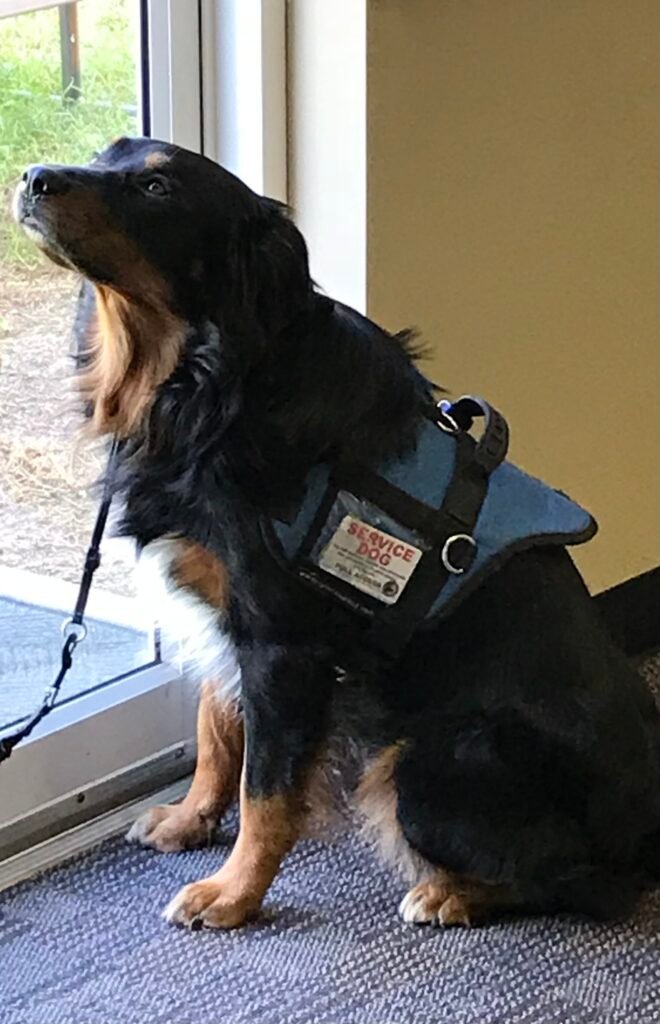
Residents in the Piney Mountain community rely on service animals as essential medical supports. These include dogs trained to assist veterans with PTSD, individuals with autism, mobility impairments, and people with diabetes.
Diabetic alert service dogs are trained to detect dangerous changes in blood sugar and provide early warnings that can prevent seizures, loss of consciousness, or death. Loud, concussive gunfire can cause service animals to hide, cower, or shut down behaviorally, preventing them from performing their trained tasks.
When service animals are unable to function due to environmental stress, the health and safety of the individuals who depend on them are directly compromised.
Environmental Pollution
Outdoor gun ranges are recognized sources of environmental contamination. Spent ammunition deposits lead, copper, antimony, and other heavy metals into soil. Over time, these contaminants can migrate into groundwater, surface water, and surrounding land. Davies Creek, which runs through the proposed property, connects to the James River, which then empties into the Chesapeake Bay.
Airborne particulate matter from gunfire—including lead dust and combustion byproducts—can travel beyond range boundaries and be inhaled by nearby residents, farm workers, and animals.
Once introduced, heavy metal contamination is difficult and costly to remediate and can persist in soil and water for decades. In agricultural communities, these pollutants pose risks to crops, livestock health, and private wells.
Agricultural Impacts
As a farming community, Piney Mountain depends on healthy land, stable environmental conditions, and low-stress surroundings for livestock and crops. Loud, unpredictable noise can cause livestock panic, injury, reproductive loss, reduced milk production, and dangerous flight responses that endanger farmers and animals alike.
Environmental contamination associated with certain land uses can compromise soil quality, affect crop viability, and place farms at long-term economic risk. These impacts extend beyond individual property lines and threaten the sustainability of agriculture throughout the area. A spray-free blueberry farm is located next to the proposed site. A place where people come to enjoy peace, tranquility, and all natural blueberries.

Long-Term & Irreversible Consequences
Many of the impacts associated with an outdoor gun range are cumulative and long-lasting. Noise exposure, environmental contamination, and ecosystem disruption do not end when operations pause or change ownership. Once damage occurs, it may persist for generations.
Responsible land use planning requires consideration of not only immediate impacts, but also long-term consequences for public health, agriculture, and environmental integrity.